
I read an article the other day and it started by comparing poker to life — and as a magician, I’m contractually obligated to perk up anytime cards are involved. The metaphor is actually spot-on:
“Playing poker is like planning for the future… You’re making decisions with limited information… You control your own actions, not the cards you’re dealt or what others do.”
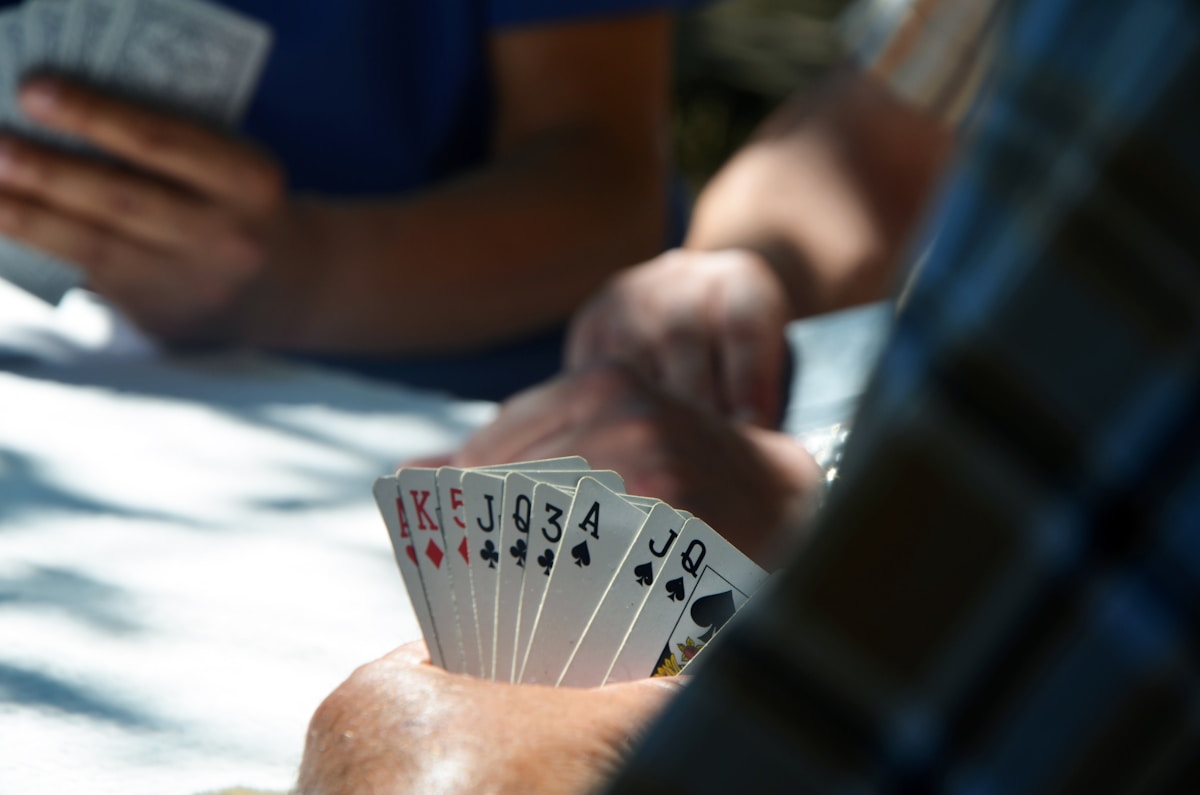
Solid analogy. Life is basically one long series of “Well… let’s hope this works.”
But the article really got interesting when it shifted to something called the If/Then ritual:
“If/then rituals ask you to envision yourself taking a desired action in the future, not just to anticipate future scenarios.”
Essentially, you’re training your brain to respond automatically when certain situations pop up. It’s like mental rehearsal — but without needing a stage, spotlight, or dramatic soundtrack.
And the cool part? The harder the long-term goal, the more effective this strategy becomes.
The article points out that most people don’t struggle with setting goals — the real trouble is sticking to them when your short-term impulses throw a surprise party. Suddenly the gym doesn’t seem as exciting as Netflix. Funny how that happens.
Research shows that if/then rituals work best when you focus on what you WILL do rather than what you won’t. The article puts it perfectly:
“The more concrete your actions, the better the if/then ritual works. Focusing on positive actions — stating what you will do vs. what you won’t do — is particularly powerful.”
And they’ve tested this everywhere: eating healthier, finishing homework, saving money, even avoiding snap judgments about people. The strategy works because it forces you to anticipate obstacles before they show up.
One example the article gives:
If someone wants to eat healthier, they write down all the potential temptations for the week — every cookie, every vending machine, every late-night craving — and create a simple plan for each:
If I crave junk food, then I’ll grab fruit or water first.
If I feel like skipping the gym, then I’ll do a 10-minute stretch instead.
It turns your brain into a problem-solver instead of a procrastinator.
Let's Connect: